
Is a Root Canal Better Than Tooth Extraction? Dentist Insight
Many people come to the clinic with the same worry on their face. The tooth hurts. Sometimes it throbs. Sometimes the pain fades, then comes back worse. They sit down and ask one simple question. Should I save this tooth or should I remove it? Friends give advice. Family shares scary stories. Online searches only make things more confusing. Some say root canals are painful. Others say pulling the tooth is easier and cheaper. This is where fear often takes over logic. The truth is, this decision should never be rushed. Every tooth tells a different story. A root canal and a tooth extraction are not equal choices. One focuses on saving what you already have. The other removes the problem but also removes something important. Your natural tooth is part of how you chew, speak, and smile. Once it is gone, the mouth slowly changes. Teeth move. Biting feels different. Sometimes more treatments are needed later. That is why dentists usually try to save a tooth first, when it is still possible. Still, saving a tooth is not always the right choice. In some cases, extraction is the safer option. The key is understanding when each treatment makes sense. Pain alone should not decide. Cost alone should not decide. Fear should not decide. Good information should. In this guide, we explain root canals and tooth extraction in clear and simple words. No medical talk. No pressure. Just honest insight from dentists who deal with this choice every day.
What Is a Root Canal?
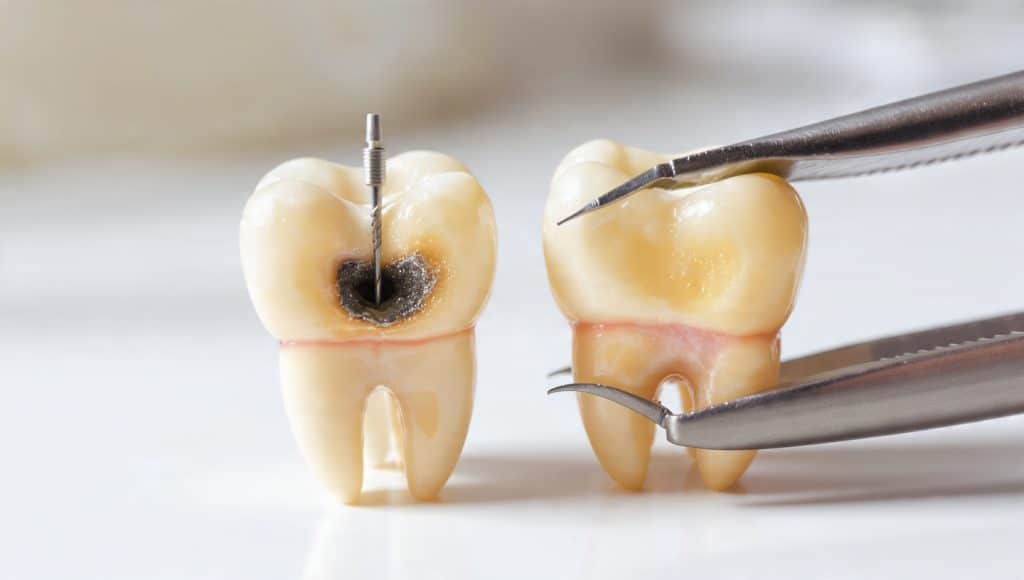
A root canal is a treatment used to save a damaged or infected tooth. Inside each tooth is a soft area called the nerve. When bacteria reach this area, infection begins. This can cause pain, swelling, or sensitivity. Sometimes the pain is sharp. Sometimes it feels deep and dull. Sometimes there is no pain at all, which can be more dangerous. During a root canal, the dentist removes the infected nerve and cleans the inside of the tooth carefully. The space is then sealed to stop bacteria from coming back. After treatment, the tooth can still be used for chewing and daily use. Many people fear root canals because of old stories. In reality, most patients feel relief after treatment. The pain usually comes from the infection, not the procedure itself. You can read more about this treatment here:
What Is Tooth Extraction?
Tooth extraction means removing the tooth from the mouth completely. This is done when a tooth is too damaged to be saved. The tooth may be broken deep below the gum. The infection may have spread too far. Or the tooth may be loose due to severe gum disease. Extraction removes the source of pain quickly. That is why some people think it is the easier solution. But removing a tooth is not the end of treatment. Once a tooth is gone, the space does not stay empty forever. Nearby teeth slowly move into that space. The bite changes. Chewing becomes uneven. Over time, this can lead to jaw pain and further dental problems. In many cases, the missing tooth needs to be replaced later with another procedure.
Why Dentists Prefer Saving Natural Teeth
Dentists usually try to save natural teeth whenever possible. A natural tooth fits perfectly in your mouth. It helps keep the bite balanced. It allows you to chew without strain. Artificial replacements are helpful, but they never feel exactly the same. When a tooth is saved, the jawbone stays active and strong. The surrounding teeth stay in place. The face keeps its natural shape. Removing a tooth can slowly change how the mouth works. That is why saving a tooth often protects more than just one area. It protects the whole system of the mouth.
When a Root Canal Is the Better Choice
A root canal is often the better option when the tooth structure is still strong. If the infection is inside the tooth but the roots are healthy, saving the tooth makes sense. If the tooth can support a crown after treatment, it can last many years. Root canals are also a good choice when the tooth plays an important role in chewing, such as molars and premolars. Removing these teeth can affect how food is broken down. In many cases, early treatment can stop pain and prevent the need for extraction later.
When Tooth Extraction Is the Safer Option
Sometimes extraction is the right choice. If a tooth is badly broken below the gum line, it may not be possible to restore it. If the infection has damaged the surrounding bone, keeping the tooth may cause more harm. Severe gum disease can also loosen teeth beyond repair. In these cases, extraction protects the rest of the mouth. Keeping a hopeless tooth can lead to repeated infections and ongoing pain. Removing it allows the area to heal properly.
Is a Root Canal More Painful Than Extraction?
This is one of the biggest myths in dentistry. Many people believe root canals are painful. Most modern root canal treatments are done with proper anesthesia. Patients usually feel little to no pain during the procedure. In fact, many feel better once the infection is removed. Extraction can also be painless during the procedure, but healing afterward may be uncomfortable. Swelling, soreness, and difficulty chewing can last longer after extraction. Pain depends more on the condition of the tooth than the treatment itself.
Cost Differences Between Root Canal and Extraction
At first glance, extraction may seem cheaper. Removing a tooth often costs less than a root canal. But this is only part of the story. After extraction, many patients need to replace the missing tooth. This adds cost later. Root canal treatment saves the tooth and avoids replacement costs. When thinking about cost, it is important to think long term, not just today.
How Long Does Each Treatment Last?
A successful root canal can last many years, even a lifetime with proper care. Brushing, flossing, and regular checkups help keep it healthy. Extraction is permanent. Once the tooth is gone, it cannot be put back. Replacement options can last a long time too, but they still need care and maintenance. Saving a natural tooth often gives more stability over time.
What Happens If You Delay Treatment?
Delaying treatment is risky. Infection does not heal on its own. Pain may disappear, but the problem is still there. The infection can spread to nearby teeth and gums. In some cases, it can affect overall health. Early treatment gives more options. Waiting too long can turn a simple root canal into a necessary extraction. Acting early often saves money, time, and discomfort.
How Dentists Decide What Is Best
Dentists look at many factors before recommending treatment. X rays show how deep the infection is. The strength of the tooth structure matters. Gum health is important. The position of the tooth also plays a role. Dentists do not choose based on speed or convenience. They choose what will protect your mouth long term. Every case is different. That is why personal evaluation matters.
Life After a Root Canal
After a root canal, most patients return to normal life quickly. Chewing feels natural again. Pain fades. With a crown placed on top, the tooth becomes strong and functional. Regular brushing and flossing keep it healthy. Many patients forget they even had treatment.
Life After Tooth Extraction
After extraction, healing takes time. Eating may feel uncomfortable at first. The area must heal before any replacement is considered. If the tooth is not replaced, nearby teeth may shift. This can lead to future dental problems. Follow up care is important after extraction to avoid complications.
Making the Right Decision for Your Tooth
There is no one answer for everyone. Root canals are often better when the tooth can be saved. Extractions are better when saving the tooth causes more harm. The right choice comes from proper diagnosis and honest advice. Fear should not guide the decision. Understanding should.
If you are unsure, speak openly with your dentist. Ask questions. Understand the condition of your tooth. A clear explanation helps you feel confident about your choice.
For patients seeking professional dental evaluation and treatment options, you can explore general dental care services here:
Final Thoughts
A toothache is stressful. Making a treatment decision can feel overwhelming. But knowledge brings calm. Root canals and extractions both have their place. Saving a tooth is often the best option, but not always. What matters most is choosing the option that protects your long term oral health. With the right care and timely treatment, pain can be relieved and smiles can be preserved. The best decision is an informed one, made with guidance from a trusted dentist.
Frequently Asked Questions:
Is a root canal painful in Dubai clinics?
Most patients in Dubai are surprised by how easy it feels. With proper numbing, a root canal usually relieves pain instead of causing it. The discomfort comes from the infection, not the treatment.
Is it better to save a tooth or extract it in Dubai?
Dentists in Dubai usually try to save the tooth first. A natural tooth helps with chewing and keeps the bite balanced. Extraction is only advised when saving the tooth is not safe.
How much does a root canal cost in Dubai?
The cost depends on the tooth and the level of infection. Front teeth usually cost less than molars. A dentist will explain the exact cost after an X-ray and exam.
Can I delay a root canal if the pain stops?
No. Pain stopping does not mean the problem is gone. In Dubai’s hot climate, infections can spread faster. Delaying treatment can turn a root canal case into an extraction.
How long does recovery take after tooth extraction?
Most patients in Dubai recover within a few days. Mild swelling is normal. Following dentist instructions helps the area heal faster and prevents infection.
Should I replace a missing tooth after extraction?
Yes. Leaving a gap can cause nearby teeth to move. This affects chewing and jaw health. Dentists in Dubai often recommend replacing the tooth to avoid future problems.